









.avif)


Lessons From Paula Scher
When most people think about design, they think about logos, posters, or making things “look nice.” But after diving into the work, philosophy, and teachings of Paula Scher, it becomes clear that design is much deeper than aesthetics alone.
At its core, design is about communication.
One quote from Paula Scher captures this perfectly:
“design is a term that’s used to describe organising information in ways that people read it and understand it.”
That definition changes the way you look at the world. Suddenly, you start noticing that nearly everything around you has been designed by someone. Street signs, books, subway maps, airport terminals, websites, product packaging, film titles, advertisements, magazines, apps, and even the way information is arranged inside a building, all of it is the result of countless design decisions.
And that’s what makes design so fascinating. It lives everywhere.
Everything is designed
One of the strongest ideas throughout Paula Scher’s teachings is the realization that design is not simply decoration. It is intentional problem solving. Every visual system we interact with exists because somebody had to decide how it should work, feel, communicate, and guide people.
But unlike mathematics or engineering, design does not have one correct answer.
Scher repeatedly emphasizes that design is not a science. There are endless ways to solve the same problem, and great designers are constantly experimenting to discover new possibilities. The role of a designer is not to repeat what already exists, but to push boundaries and explore fresh ways of presenting familiar ideas.
That process starts surprisingly simply: with observation.

Scher often talks about the importance of sketching, not because designers need to become master illustrators, but because drawing helps communicate thought. One quote that stood out was:
“When you draw, it shows somebody else how you’re seeing.”
That idea completely reframes sketching. Drawing is not about perfection; it is about learning to see clearly and sharing that perspective with others. Designers train themselves to notice relationships between shapes, proportions, scale, rhythm, spacing, and hierarchy. Over time, they begin to understand why certain things feel balanced, dynamic, calm, chaotic, elegant, or powerful.
Scale, in particular, appears constantly throughout Scher’s work. Whether designing a logo, a magazine spread, a building sign, or a motion graphic, understanding proportion and emphasis is essential. Some elements of design change with trends, but scale remains timeless.
Learning from the past
Another major theme in Paula Scher’s philosophy is the importance of design history.
Modern design did not appear out of nowhere. Every visual movement, typography style, branding trend, or layout system is built on decades, sometimes centuries, of experimentation from earlier designers.
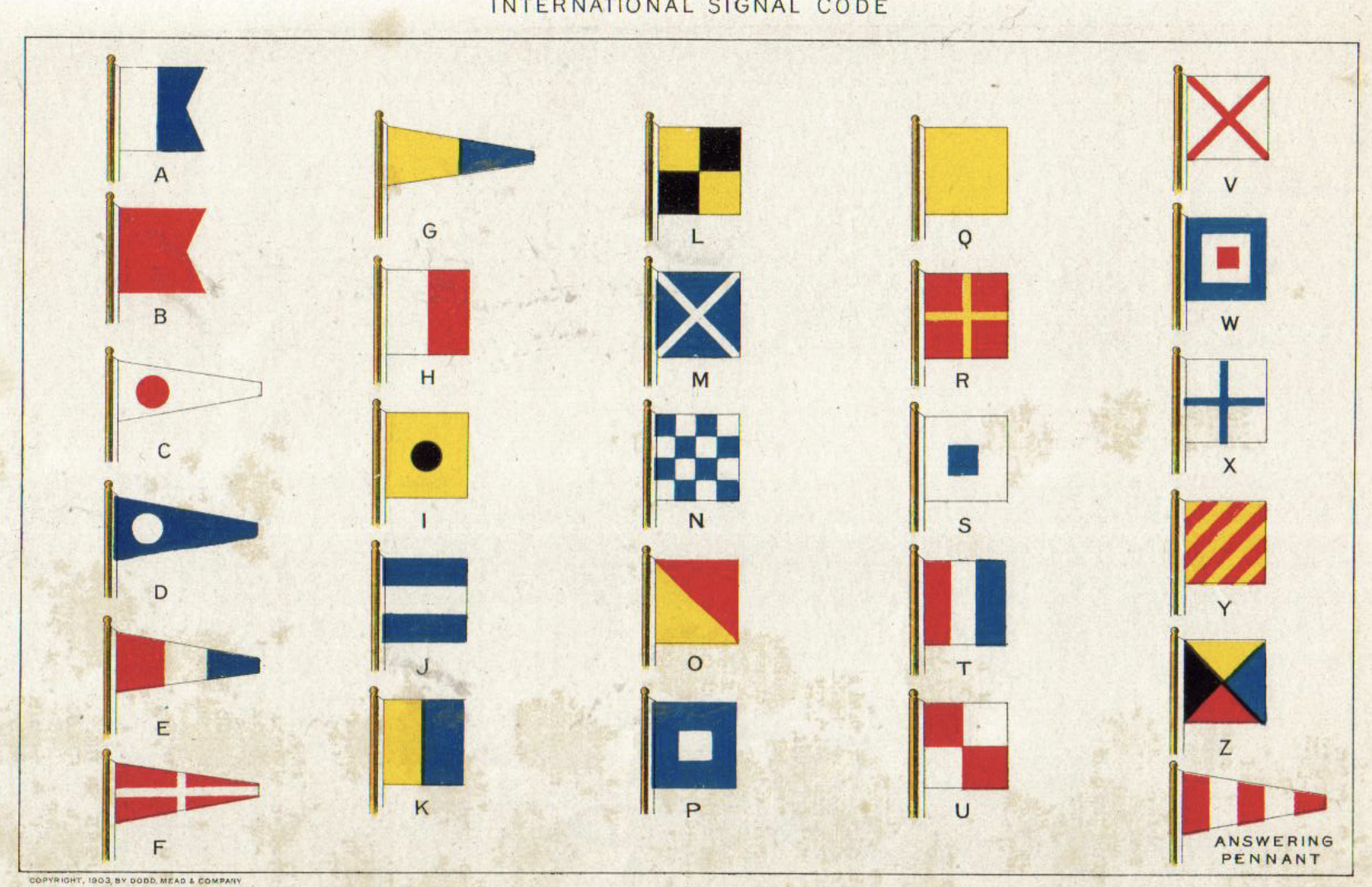

Scher frequently references movements such as Bauhaus, Constructivism, De Stijl, and Futurism, showing how their influence still appears in contemporary design today. Designers like Theo van Doesburg, Herbert Bayer, and Wolfgang Weingart helped establish visual languages that designers continue to build upon decades later.
One of the most important ideas Scher reinforces is:
“Nothing in design has been built without standing on the shoulders of other designers.”
The point is not to copy the past, but to understand it deeply enough to reinterpret it in new ways. History becomes a creative tool. When designers understand where visual styles come from and what they historically communicated, they can intentionally use those references to create something that feels either timeless or radically new.
Why typography matters so much
Typography turned out to be one of the most emotional and expressive parts of design in Scher’s work.
At first glance, typography might seem purely functional, simply arranging letters so people can read words. But Scher repeatedly demonstrates that type carries emotion and personality far beyond the literal meaning of language itself.
As she puts it:
“Words have meaning, type has spirit.”
That distinction changes the way you look at fonts forever. A typeface can feel luxurious, aggressive, playful, elegant, futuristic, rebellious, or corporate before someone even reads the text itself. Typography shapes perception instantly.
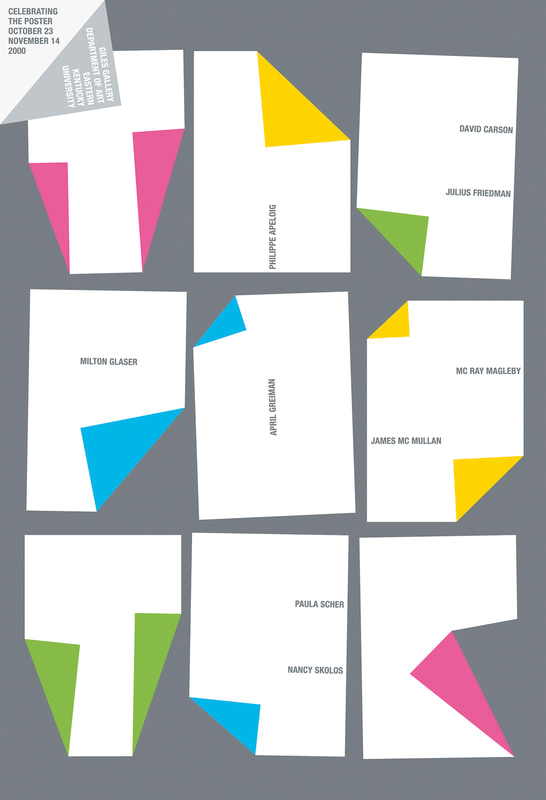
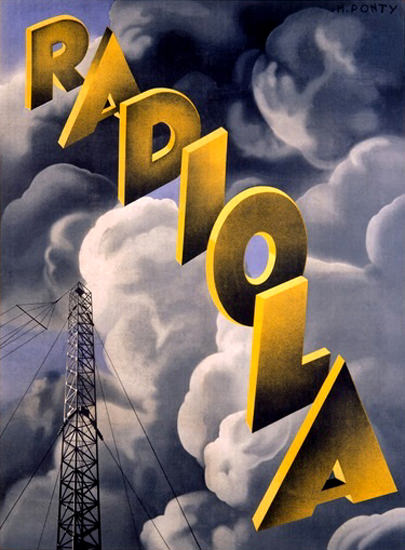
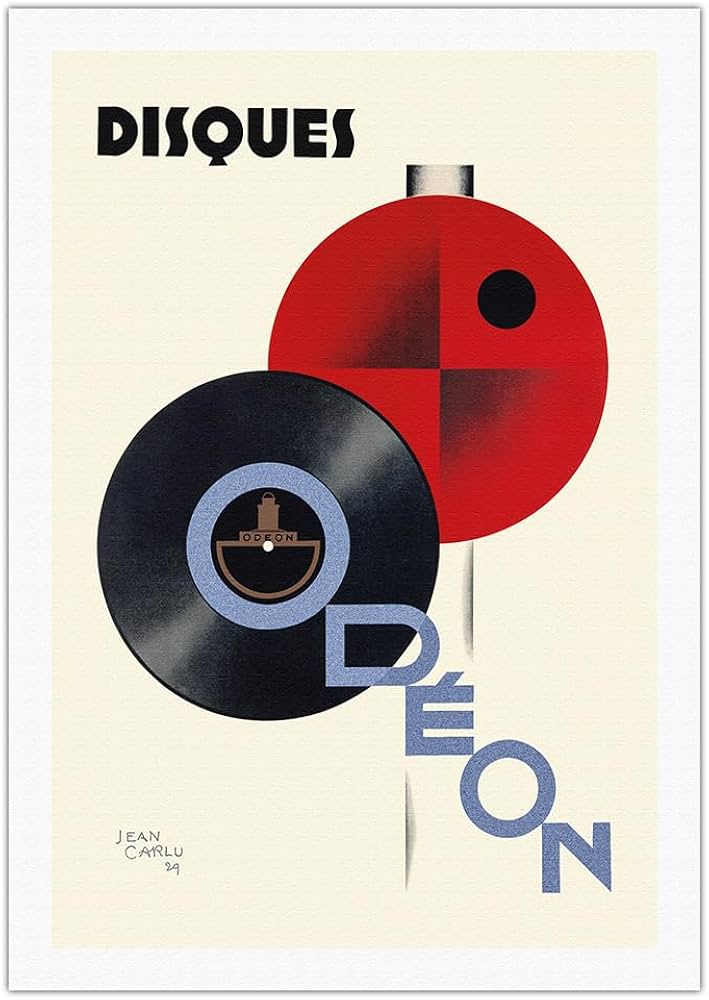
Scher also emphasizes how important it is for designers to understand the history of type. Certain typefaces carry cultural associations tied to specific decades, industries, or movements. Knowing this gives designers an enormous advantage because they can intentionally use those associations to create mood and meaning.
At the same time, typography trends move incredibly fast. Scher encourages designers to stay aware of contemporary styles while avoiding the trap of relying solely on trends. Good typography is much broader than whatever happens to be popular on Instagram at a given moment.
Logos, Symbols, and Recognition
One particularly interesting area of Scher’s work focuses on logos and symbols throughout history.
Humans have always used visual symbols to represent identity, power, religion, and belonging. Medieval crests, national flags, coats of arms, and religious symbols all served the same purpose that logos serve today: creating recognition and communicating meaning quickly.
But Scher challenges a common misconception about branding. Great logos are rarely successful because they are instantly loved. Instead, recognition develops slowly over time through consistency and repeated exposure.
As she explains:
“A logo is something that you become accustomed to in time.”
That idea feels especially relevant today, where brands often redesign themselves constantly in pursuit of staying “modern.” Scher argues almost the opposite: strong identities are built through long-term consistency. Minor refinements are natural, but recognizability is what creates trust and loyalty.
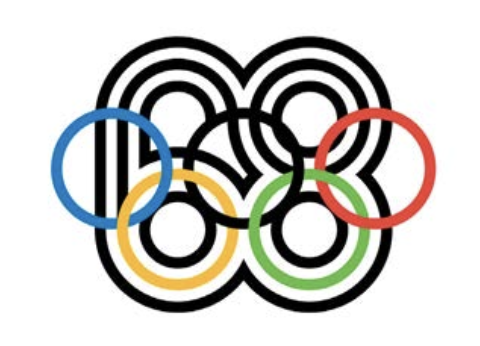
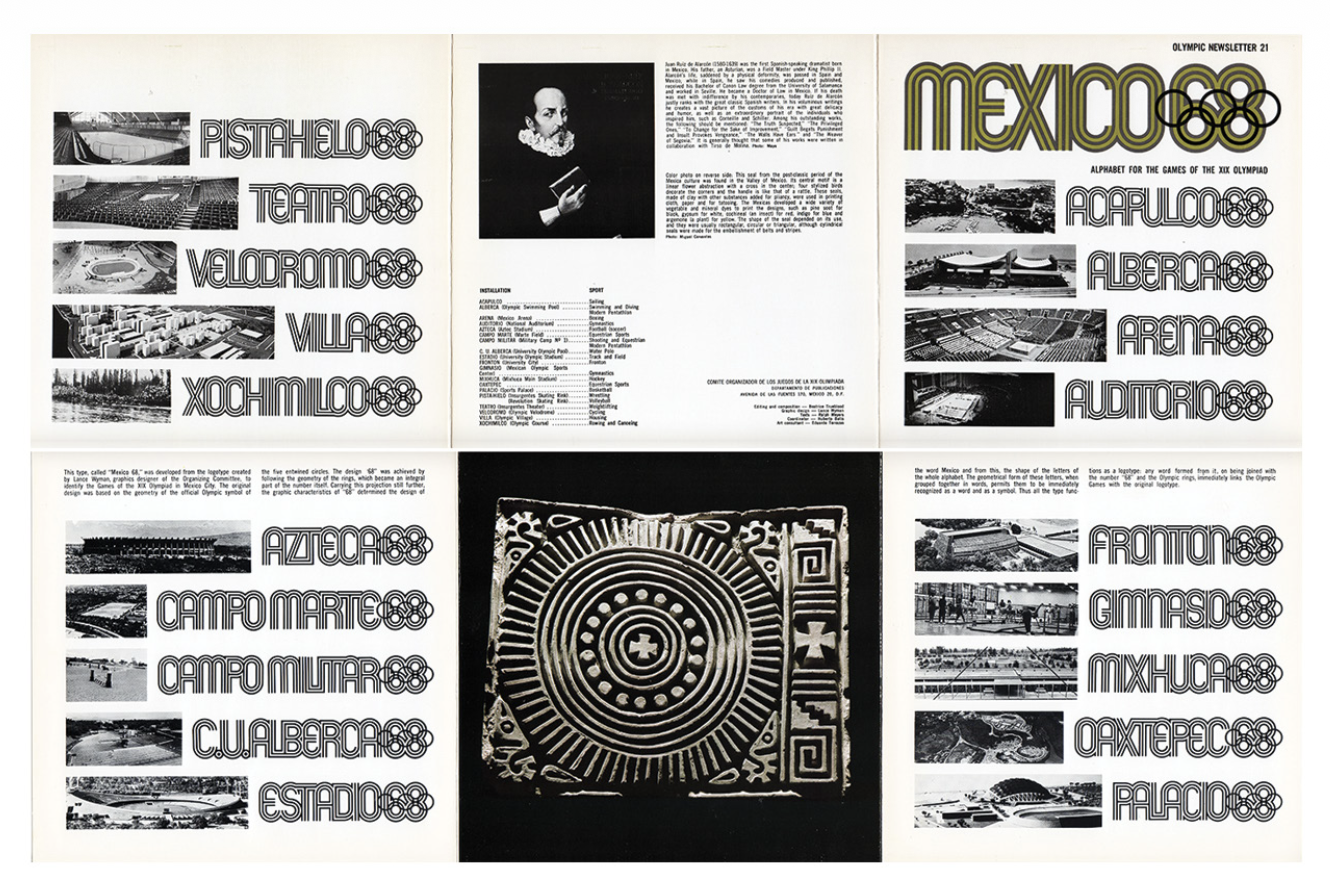
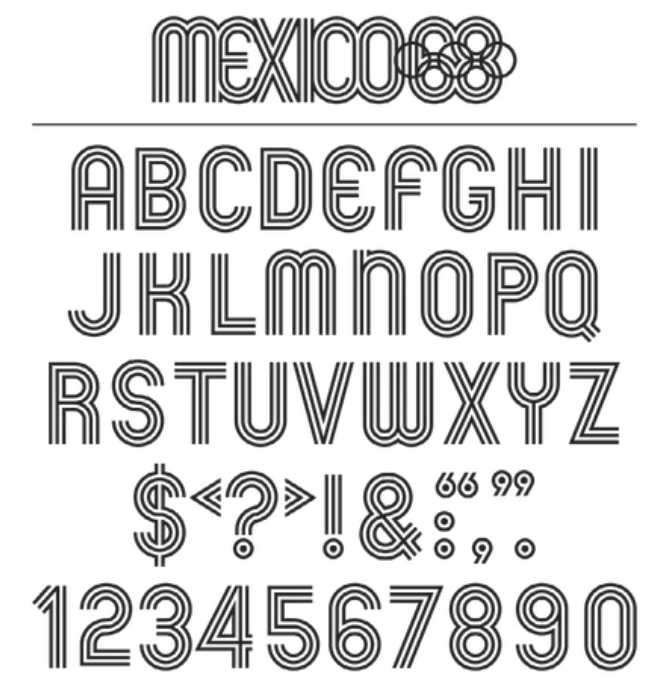
The Mexico Olympics 1968 identity by Lance Wyman is one of the examples she praises as a masterclass in identity systems. What made it successful was not just the logo itself, but the way the visual language extended across signage, patterns, typography, and the entire event experience.
That idea of systems becomes increasingly important throughout her work.
Design systems, not just individual designs
As projects become larger, designers stop thinking about single visuals and start thinking about systems.
A successful identity needs to work across websites, social media, print, signage, packaging, motion graphics, advertisements, and sometimes even architecture. Designers are not just creating one object anymore, they are building frameworks other people will use and expand over time.
The Citibank redesign became one of the clearest examples of this process in Scher’s career. A simple sketch evolved into an entire global identity system. Similarly, projects like the Windows 8 redesign demonstrated how a single concept could unify multiple products and sub-brands into one cohesive experience.
Scher repeatedly stresses the importance of flexibility. Great identity systems are not rigid; they give structure while still allowing room for growth and evolution.
That balance between control and freedom appears everywhere throughout her work.
Editorial and environmental design
Editorial design introduces another side of design entirely: pacing and flow.
Designing a magazine, book, or publication is not simply about arranging text and images. It is about controlling how information unfolds over time. Through scale, spacing, rhythm, grids, and hierarchy, designers shape how readers experience content emotionally and visually.
One important realization from Scher’s perspective is that complexity is not inherently bad. Minimalism is not the only path to clarity. Some of the most exciting editorial work manages to feel expressive, layered, and energetic while still remaining organized.
Environmental design expands those ideas into physical space.
This area of design combines architecture, storytelling, branding, signage, and psychology to shape how people move through environments. Airports, theaters, museums, stadiums, and public spaces all rely heavily on environmental graphics to guide people and create memorable experiences.

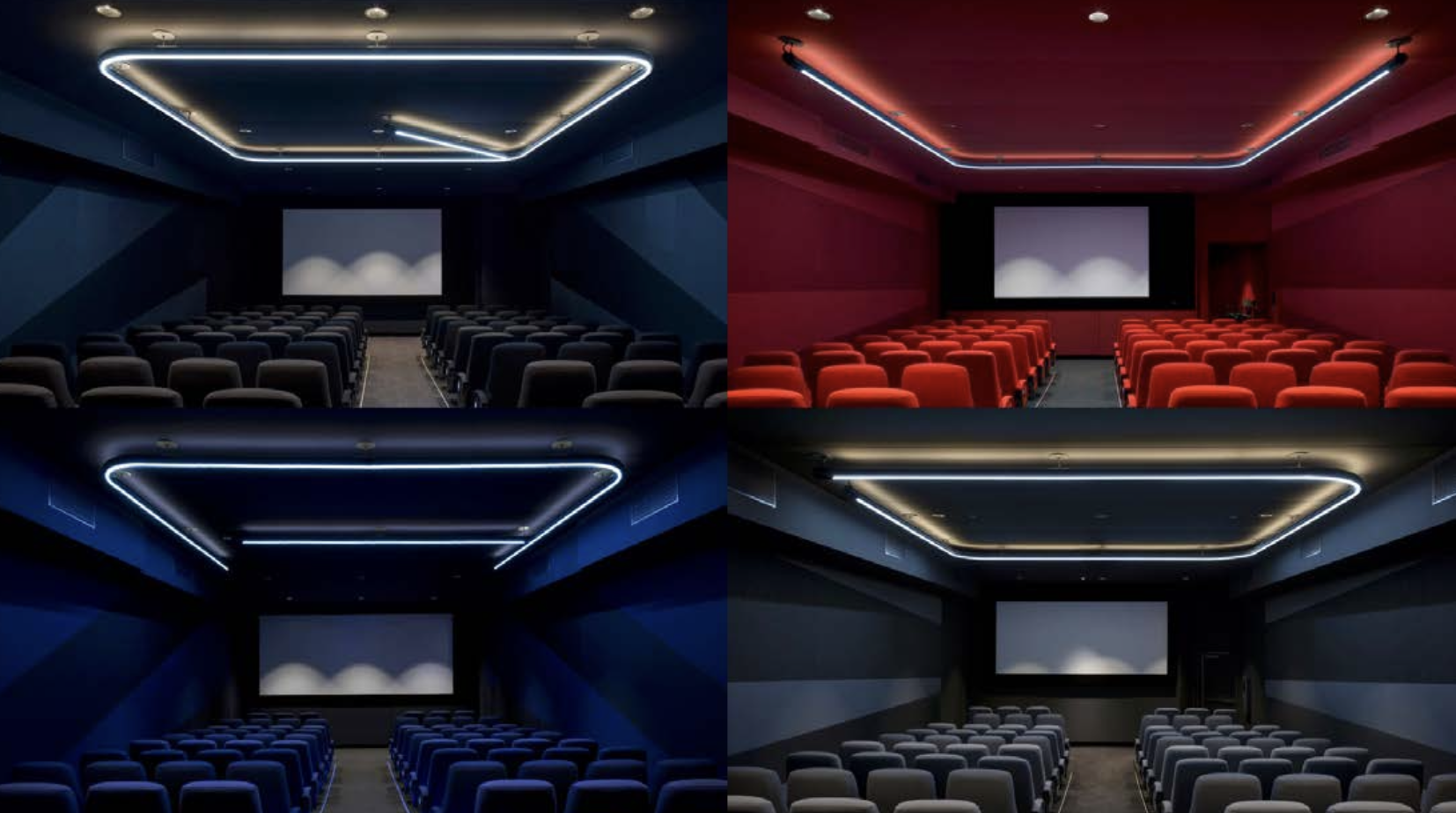
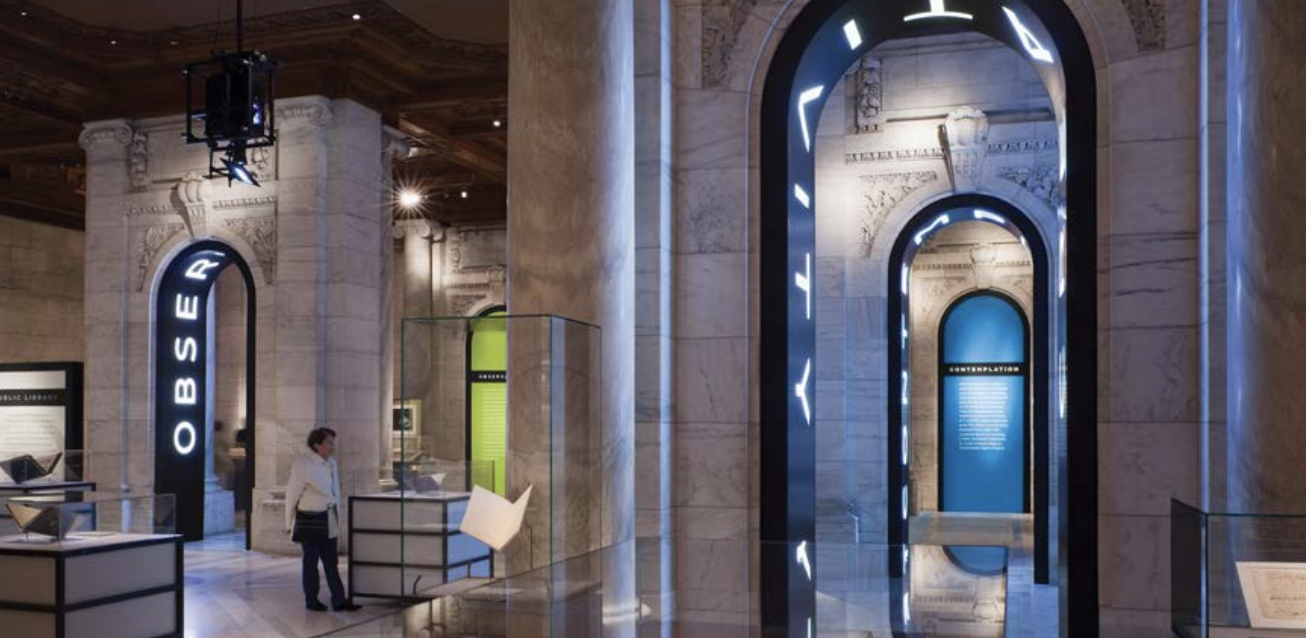
Scher emphasizes that great environmental design is not just functional, it is conceptual.
A well-designed space tells a story. It creates atmosphere and identity. It helps people intuitively understand where they are and how they should move through the environment, often without them consciously realizing why it feels so natural.
That invisible clarity is one of the most powerful things design can achieve.
Motion design and the future of design
The final parts of Scher’s teachings explore how design naturally extends into motion.
Typography, composition, scale, pacing, rhythm, and color all remain essential in motion design. The only difference is that time itself becomes another design material.
Title sequences, in particular, function as storytelling devices. Before a film even begins, motion graphics establish tone, context, emotion, and expectation.
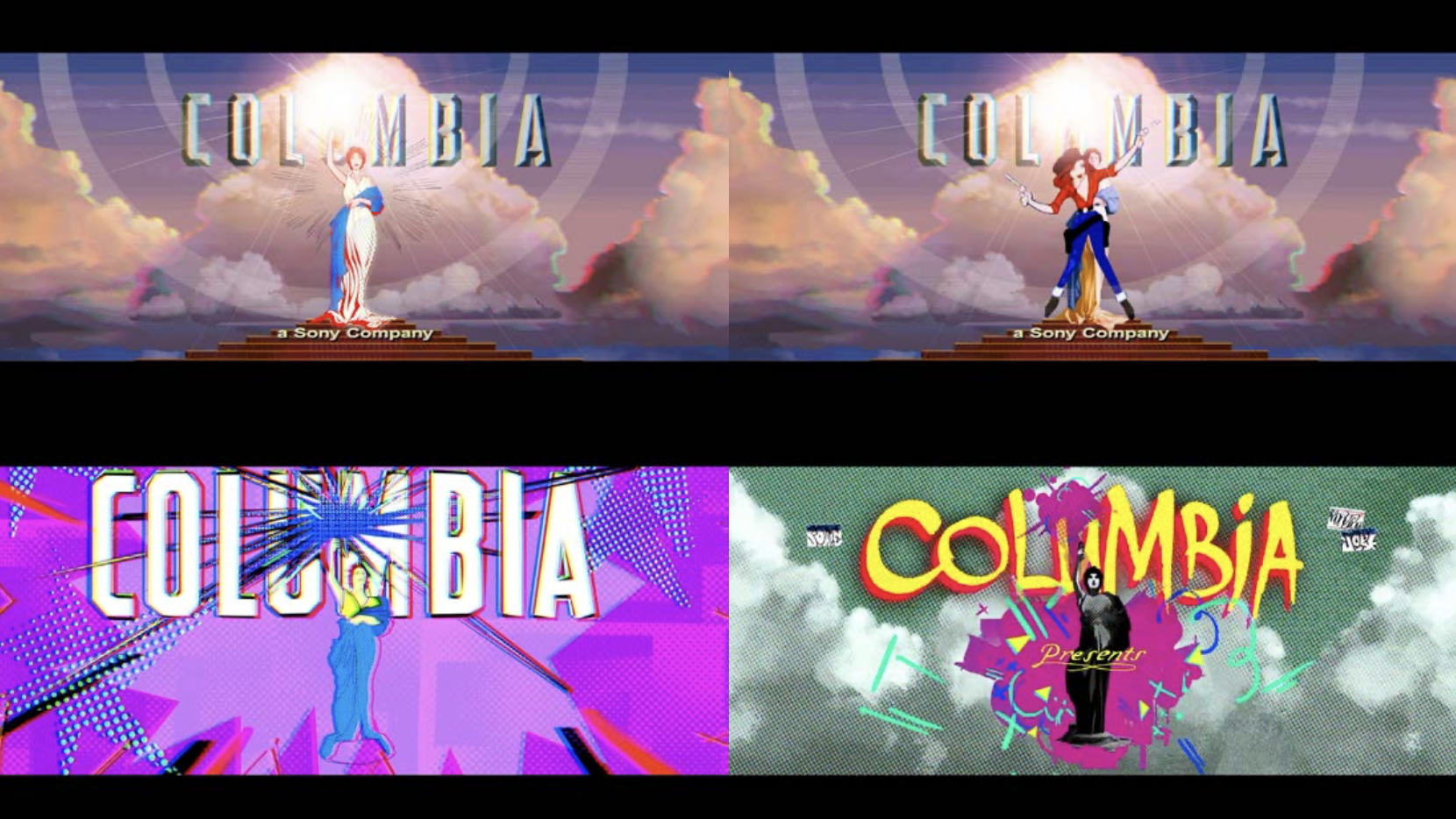
One interesting observation is how modern title sequences have become increasingly short, forcing designers to communicate ideas more efficiently. Simple forms and strong concepts often become more powerful than visual complexity.
Scher also highlights how motion is becoming an increasingly important part of branding itself. Modern identity systems are no longer static. Logos, typography, and visual systems often need to move, adapt, and respond across digital platforms.
Final thoughts
By the end of Paula Scher’s teachings, one thing becomes very clear: Design is ultimately about intention.
Every shape, typeface, color, image, motion, and layout decision communicates something, whether consciously or unconsciously. Great designers learn how to control those decisions intentionally.
One final quote summarizes her philosophy beautifully:
“Design is the art of planning.”
Design is not random creativity or decoration. It is thoughtful decision-making shaped by history, experimentation, communication, and human behavior.
Whether designing a logo, a subway system, a magazine, a theater experience, or a film title sequence, the goal remains the same: to help people understand, feel, navigate, remember, and connect.
Design is, ultimately, thinking made visible.